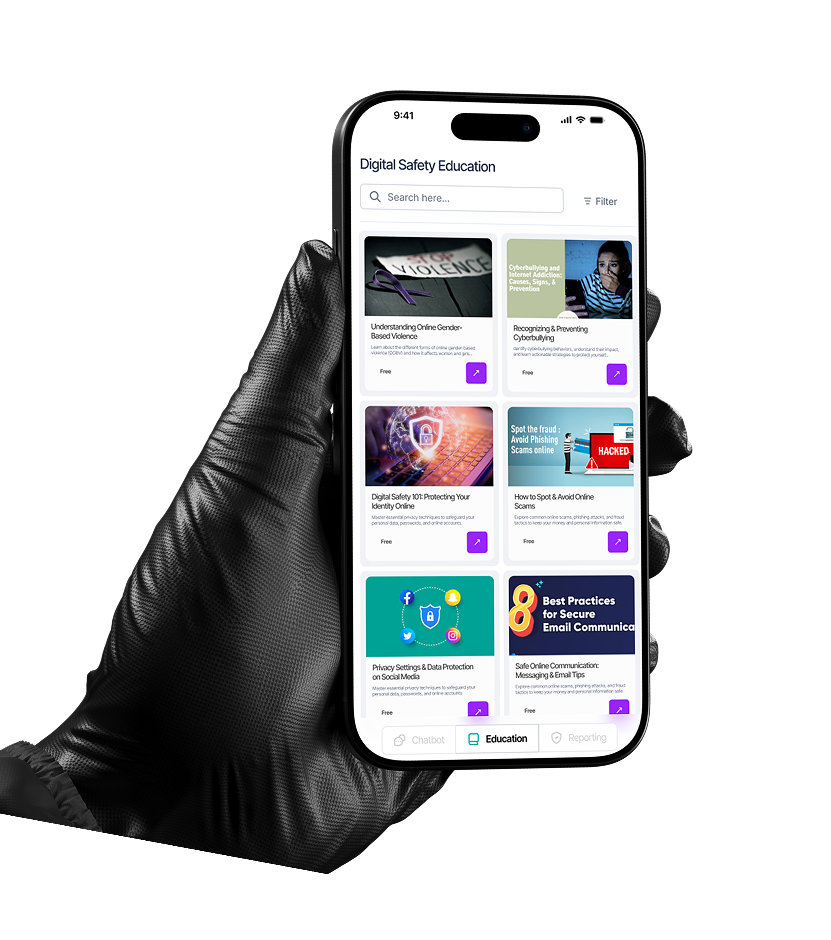
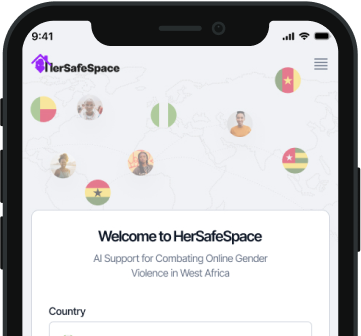
We have built an innovative tech solution to combat it.
Are you facing online GBV?
Need help now?
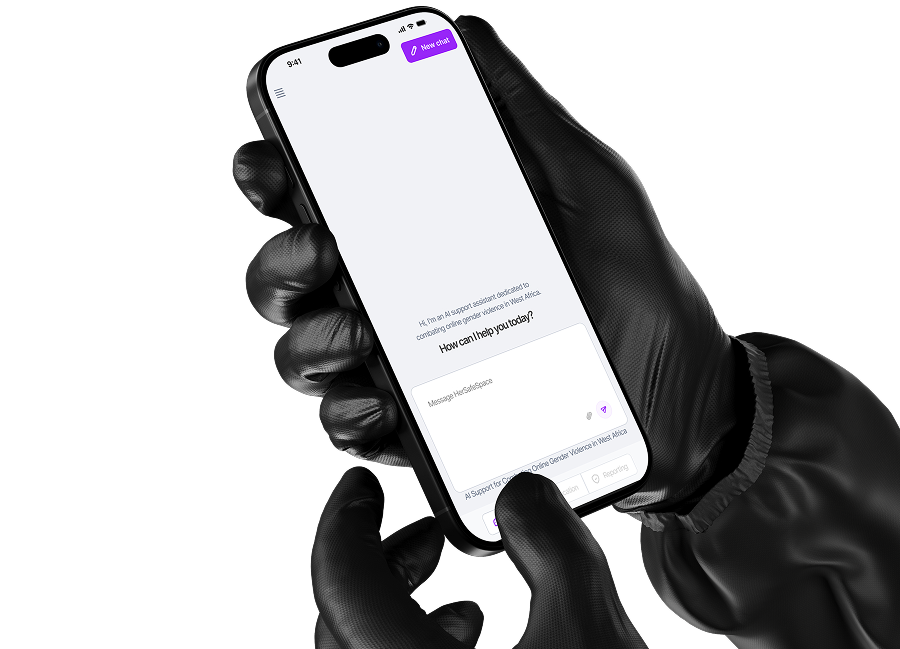
HerSafeSpace offers instant support via WhatsApp.
Ask about:
Private. Empathetic. Judgment-free. Available in English, French, Swahili, Arabic, Hausa, Yoruba and Igbo
Chat Kemi for support
Technology-Facilitated Gender-Based Violence (TFGBV) is more than inappropriate messages or viral humiliation — it's a digital extension of real-world gender inequalities. It includes threats, doxxing, non-consensual image sharing, stalking, cyberbullying etc. — all of which can have devastating emotional, psychological, and even physical consequences for girls and women. In regions where access to digital spaces is already limited, TFGBV further locks out girls from life-changing knowledge and opportunities.
“I stopped posting online after someone leaked my photos. I also deleted the health app I was using to track my period. I didn’t feel safe anymore.”
— Aisha, 17, Kaduna
While the platform may change, the trauma doesn’t. Digital abuse can lead to offline consequences such as school dropout, mental health struggles, social isolation, and even physical violence. Online threats are real threats — and often go unpunished.
Many West African countries still lack clear laws that recognize or address TFGBV. Where legislation exists, enforcement is weak or nonexistent. Learn how legal systems are — or aren’t — protecting survivors, and what reforms are being demanded by activists.
Cultural taboos around sex, shame, and victim-blaming discourage girls from speaking out. In many communities, girls are blamed for being targeted — further compounding their trauma and reinforcing a dangerous silence.
Digital resistance is growing. From #StopTFGBV to #HerVoiceMatters, social media has become a tool for solidarity, education, and advocacy. These campaigns are not just hashtags — they're lifelines for survivors and mobilizers of systemic change.
Girls and women who are vocal, visible, or marginalized — including those from LGBTQIA+ communities, people with disabilities, and activists — are disproportionately affected. The more a girl steps into power online, the more likely she is to be attacked for it.
Curious about the numbers?
Countries
year in operation
Survivors supported
Tech-based solution
Co-creators
Dataset collection workshop
Testing workshop
Curious about the numbers?
HerSafeSpace’s content is more than storytelling — it’s backed by data. We’ve built a multilingual database using
How we do it:
Check out our transparent methodology walkthrough and
learn how our indicators help lawmakers, NGOs, and
advocates push for real change.
HerSafeSpace’s content is more than storytelling — it’s backed by data. We’ve built a multilingual database using
How we do it:
Check out our transparent methodology walkthrough and
learn how our indicators help lawmakers, NGOs, and
advocates push for real change.
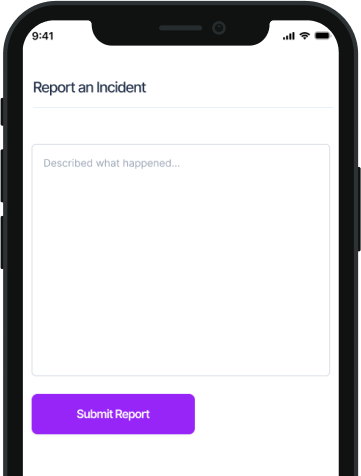
Your voice matters. And it’s safe here.You can share what happened — anonymously, securely, and with full control over what’s shared.
How we do it:
Check out our transparent methodology walkthrough and
learn how our indicators help lawmakers, NGOs, and
advocates push for real change.
Your voice matters. And it’s safe here.You can share what happened — anonymously, securely, and with full control over what’s shared.
How we do it:
Check out our transparent methodology walkthrough and
learn how our indicators help lawmakers, NGOs, and
advocates push for real change.
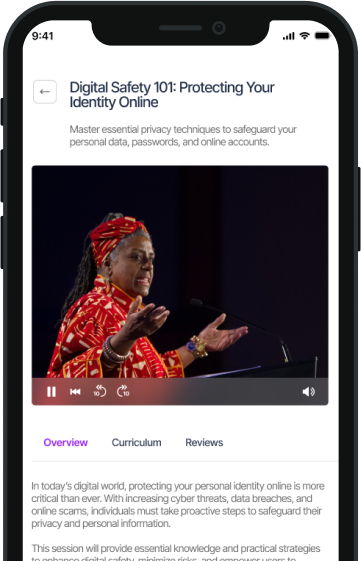
Whether you're a survivor, a student, a journalist, or just someone who cares — we've got tools that inform, protect, and empower.
Downloadable PDFs:Available in multiple languages — because access matters.
Explore Resources
We don’t do this alone. Change takes community.
In West Africa, being online as a girl often means being vulnerable. But it shouldn’t have to. From a 13-year-old girl scared to check her messages, to a mother worried about her daughter’s privacy — HerSafeSpace is more than tech.
HerSafeSpace offers instant support via WhatsApp. Ask about: