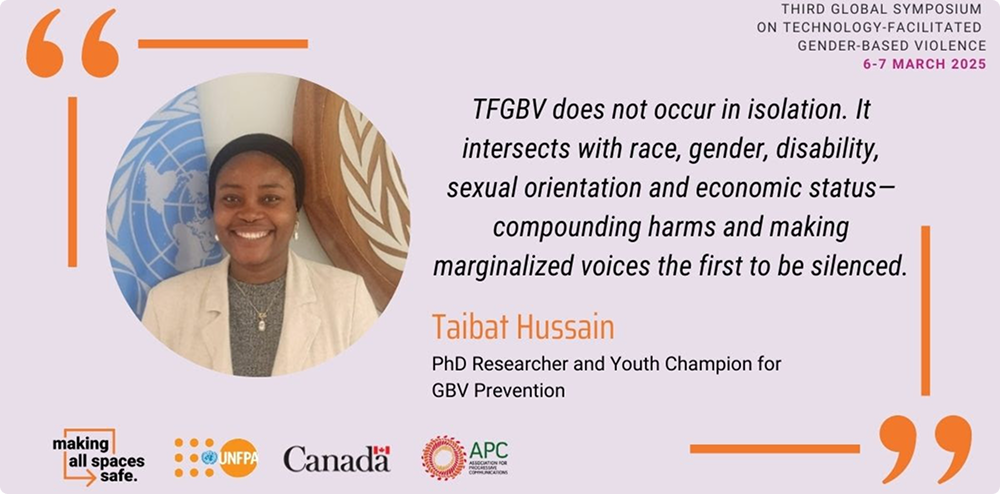
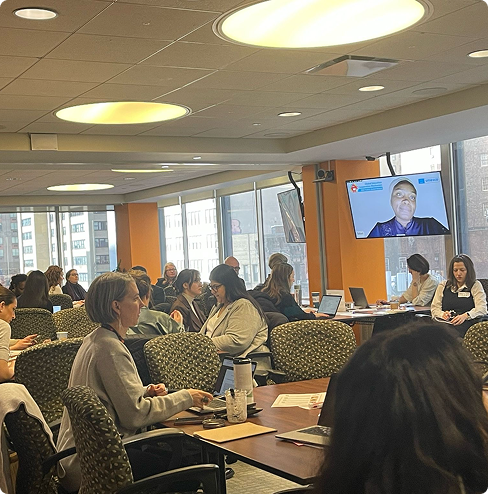
It was the second day of the Third Symposium on Technology-Facilitated Gender-Based Violence (TFGBV)—a gathering that drew over 1,400 participants from 84 countries, all united to confront the digital age’s newest frontiers of harm. Under the theme “Intersectional Challenges and Collective Action in a Shifting Digital Age,” the symposium explored how online violence intersects with identity, power, and shrinking civic space.
In her session titled “Understanding TFGBV through Intersectional Experiences and Lived Realities,” Taibat stepped up not only as a moderator but as a storyteller, researcher, and advocate. She began by sharing Kemi’s ordeal—a university student who, after attending a peaceful protest, was targeted online. Her social media accounts were flooded with coordinated hate, her personal details leaked in a cruel act of doxing. What followed was a harrowing wave of surveillance, threats, and an eventual police raid that left her traumatized and silenced.
“Kemi is not an isolated case,” Taibat said. “She is one of many who live at the intersections of gender, activism, and vulnerability—targets not just because they speak out, but because they exist visibly.”
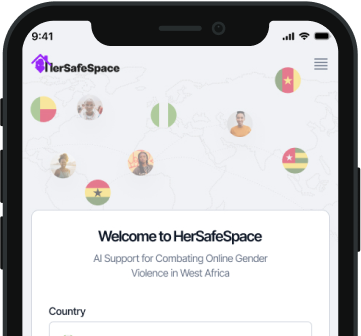
Representing HerSafeSpace, an initiative committed to empowering women and gender-diverse individuals to reclaim safety online and offline, Taibat called for a deeper, more inclusive response to TFGBV—one that listens, one that protects, and one that acts.
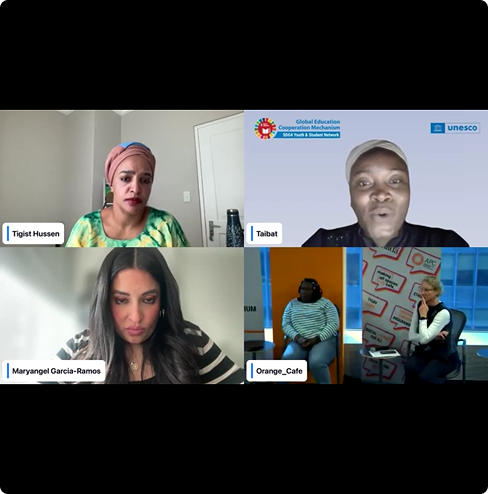
The session also brought together powerful voices from around the globe:
- Sophie Carol, founder of Queer Women Leaders Uganda, spoke candidly about the layered threats LGBTQI+ women in East Africa face—from digital harassment to real-world violence triggered by online exposure.
- Tigist Hussen, coordinator of the Feminist Internet Research Network (FIRN) at APC, discussed how feminist movements must harness research and solidarity to challenge oppressive digital ecosystems and colonial legacies embedded in tech.
- Maryangel Garcia-Ramos, Executive Director at Women Enabled International, emphasized the often-erased experiences of women with disabilities, who face a dual burden of exclusion: first from mainstream gender rights spaces, and then from tech policy conversations.
- The dialogue was intersectional, urgent, and deeply rooted in lived experience. And at its core was a call that echoed long after the session ended: representation is not enough. Marginalized communities—disabled people, LGBTQI+ individuals, Black women, grassroots activists—must be meaningfully included in the very processes that shape their digital lives.
- As the symposium closed, participants carried forward Kemi’s story and the voices of all those represented that day. Thanks to Taibat Hussain and her fellow speakers, the conversation on TFGBV now pulses with a stronger heartbeat—one driven by truth, resilience, and collective action.